
Automated Livestock Trailer Washing Systems
A new standard in livestock trailer washing—delivering consistent results,
increasing throughput and reducing labor through automation.
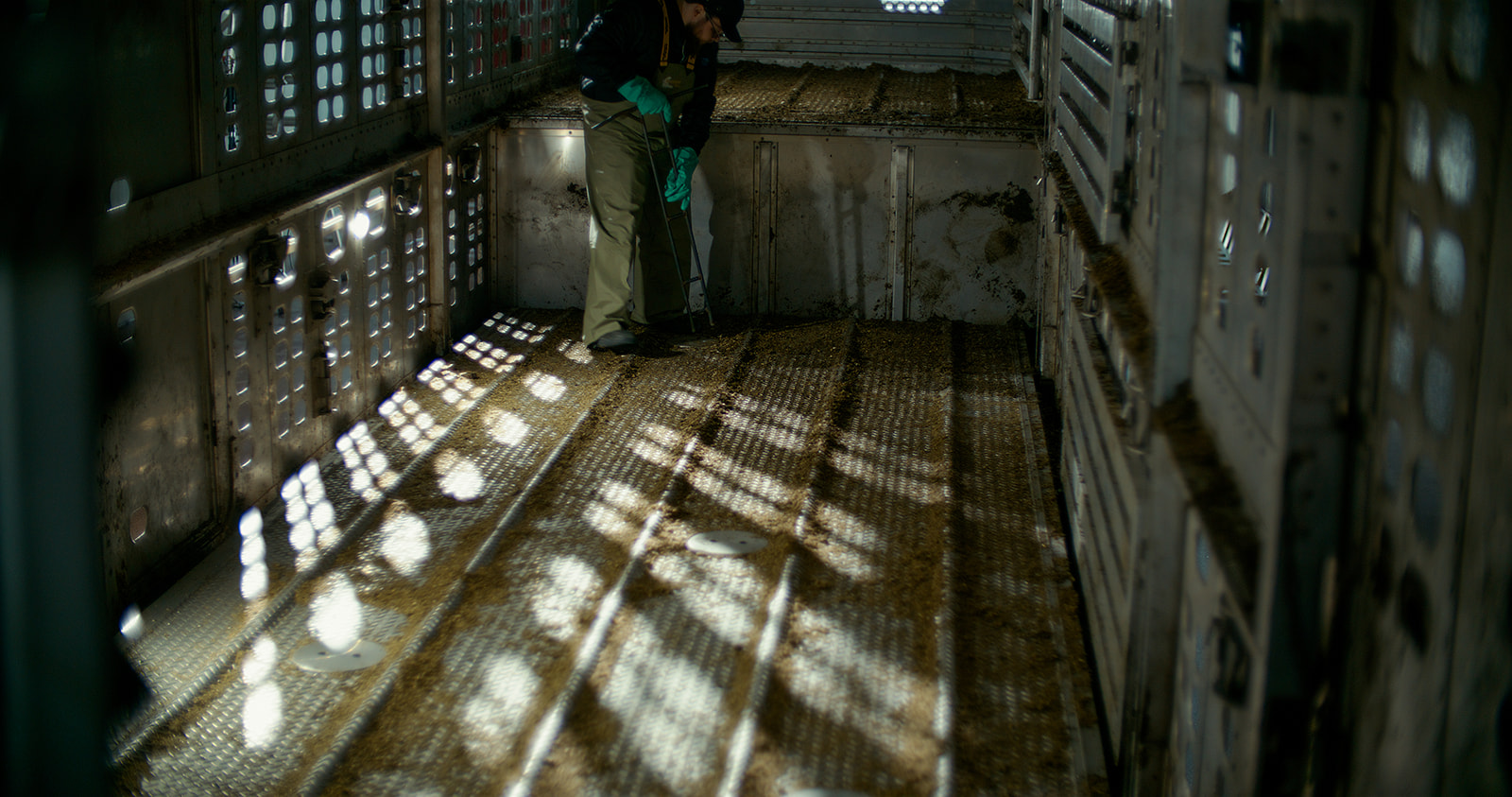
Biosecurity Risk Starts with
Inconsistent Washing
Livestock transportation remains one of the most under-controlled biosecurity risks in the supply chain.
Inconsistent Results
Manual processes produce variable cleaning quality, leaving contamination behind from wash to wash.
Limited Capacity
Labor-dependent washing restricts the number of trailers that can be processed per shift.
Slower Turnaround
Manual cleaning takes longer, increasing idle time and reducing fleet utilization.
Disease Transmission
Variability in wash quality increases the risk of pathogen transfer between loads and facilities.
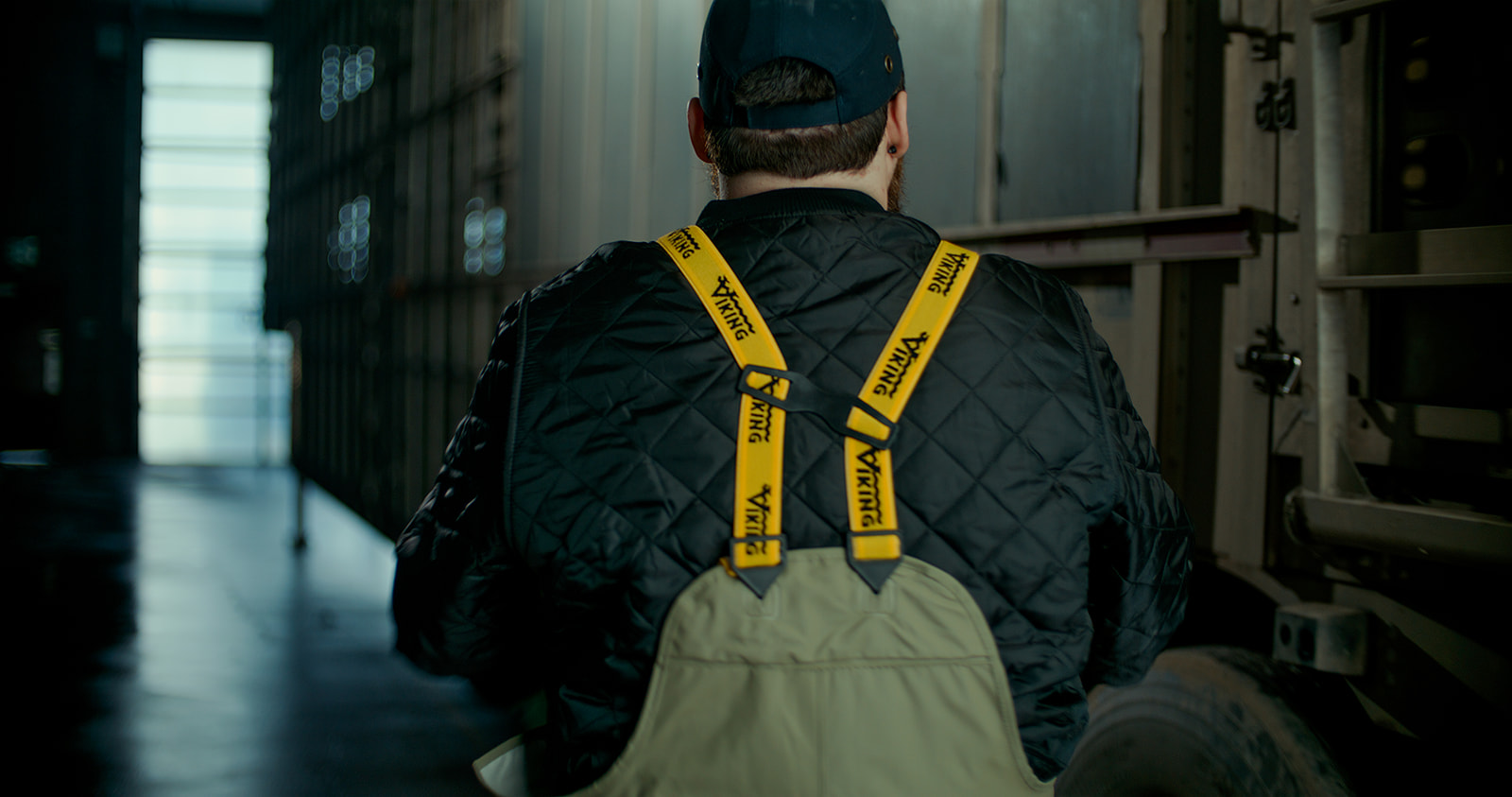
A Standardized, Automated Approach
to Trailer Washing
AgTech transforms trailer washing into a controlled, repeatable process.
Consistent Quality
Programmed wash cycles deliver the same thorough clean every time, eliminating human variability.
Increased Throughput
Shorter wash cycles help each bay process more trailers per shift while an operator manages the wash process.
Reduced Labor
Minimize dependency on manual labor — less hiring pressure, fewer safety concerns.
Faster Turnaround
Get trailers back on the road faster with streamlined, efficient wash processes.
Built as a Scalable Platform
A combination of automation, infrastructure, and operational consistency enabling repeatable performance.

Automation
Programmable wash cycles reduce variability and manual dependency while supporting consistent wash operations.
Infrastructure
Purpose-built wash bays designed for high-throughput operations and long-term durability.
Consistency
Standardized processes ensure repeatable results across every trailer, every time.
See How the Autowash System Comes Together
From foundation preparation and utility connections to wash equipment installation and final commissioning, explore how the Version 2 Autowash System integrates into an existing wash facility for faster, more efficient trailer cleaning.

1. Prepare the Foundation
Concrete footings are poured adjacent to the wash facility to support the utility package.

2. Install the Utility Package
The Sea Can mechanical room is set in place and houses the system’s pumps, boiler, controls, and supporting equipment.

3. Position the Water Storage Tank
The water storage tank is installed above the Sea Can, creating a compact footprint while maximizing available site space.

4. Connect Utilities
Water, power, controls, and process piping are connected between the utility package and wash bay.

5. Install the Wash Equipment
Wall-mounted hose reels, controls, and wash components are installed within the wash facility.

6. Commission and Start Up
The system is tested, calibrated, and prepared for operation
How It Works
Five stages. Zero guesswork. Consistent results on every cycle.
1. Arrival
Trailer enters the wash bay and is positioned for the automated cycle.
2. System Activation
The automated wash cycle is initiated.
3. Multi-Stage Wash
Detergent application, hot water cleaning, and a thorough rinse cycle are executed sequentially.
4. Undercarriage Cleaning
Dedicated high-pressure wash targets the trailer underside — where contamination hides.
5. Exit
Trailer exits the bay clean, consistent, and ready for the next load.

Purpose-Built Systems
Autowash Patent Pending
Engineered for consistent performance in high-demand environments.
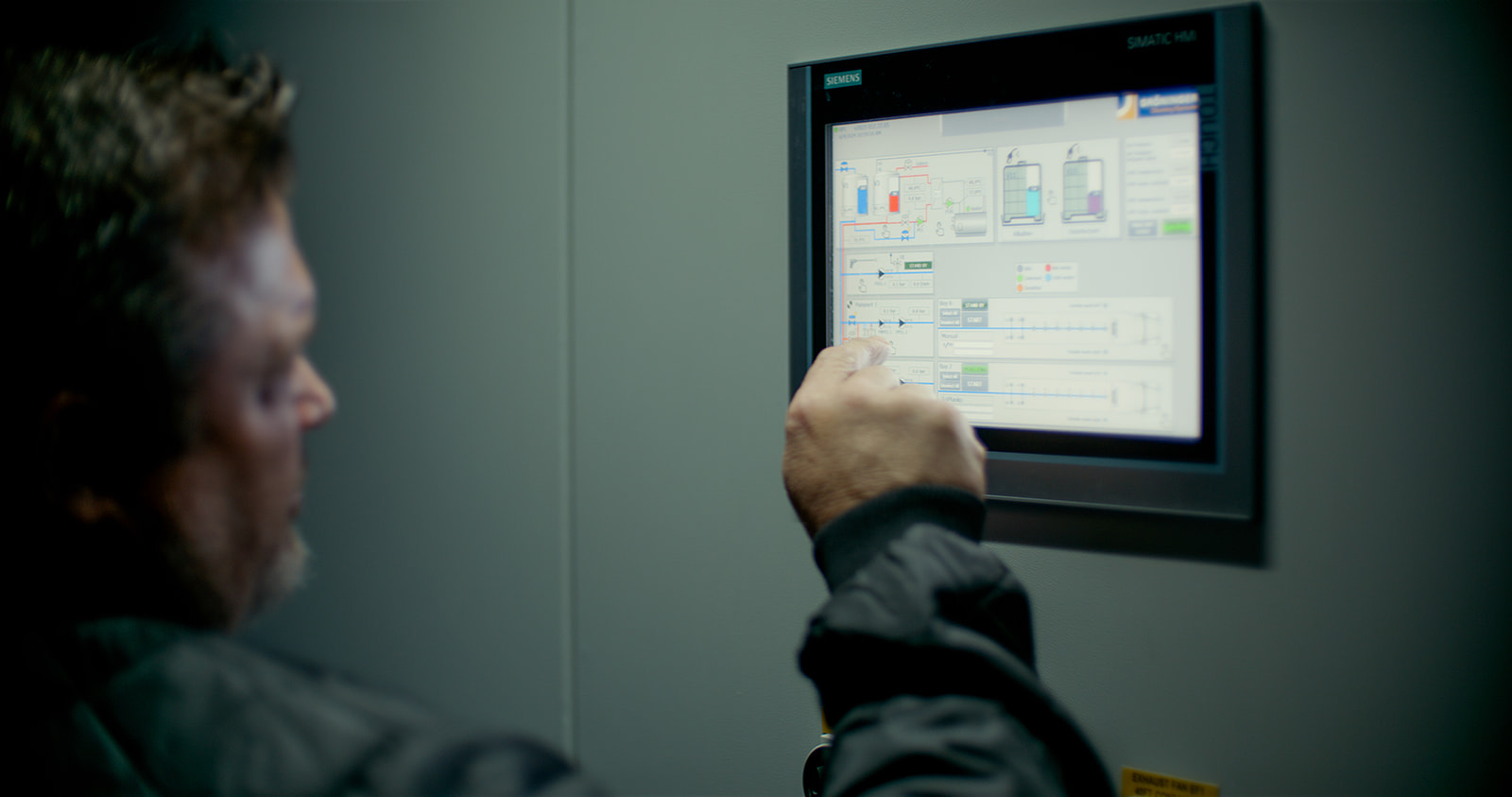
Automated Wash System
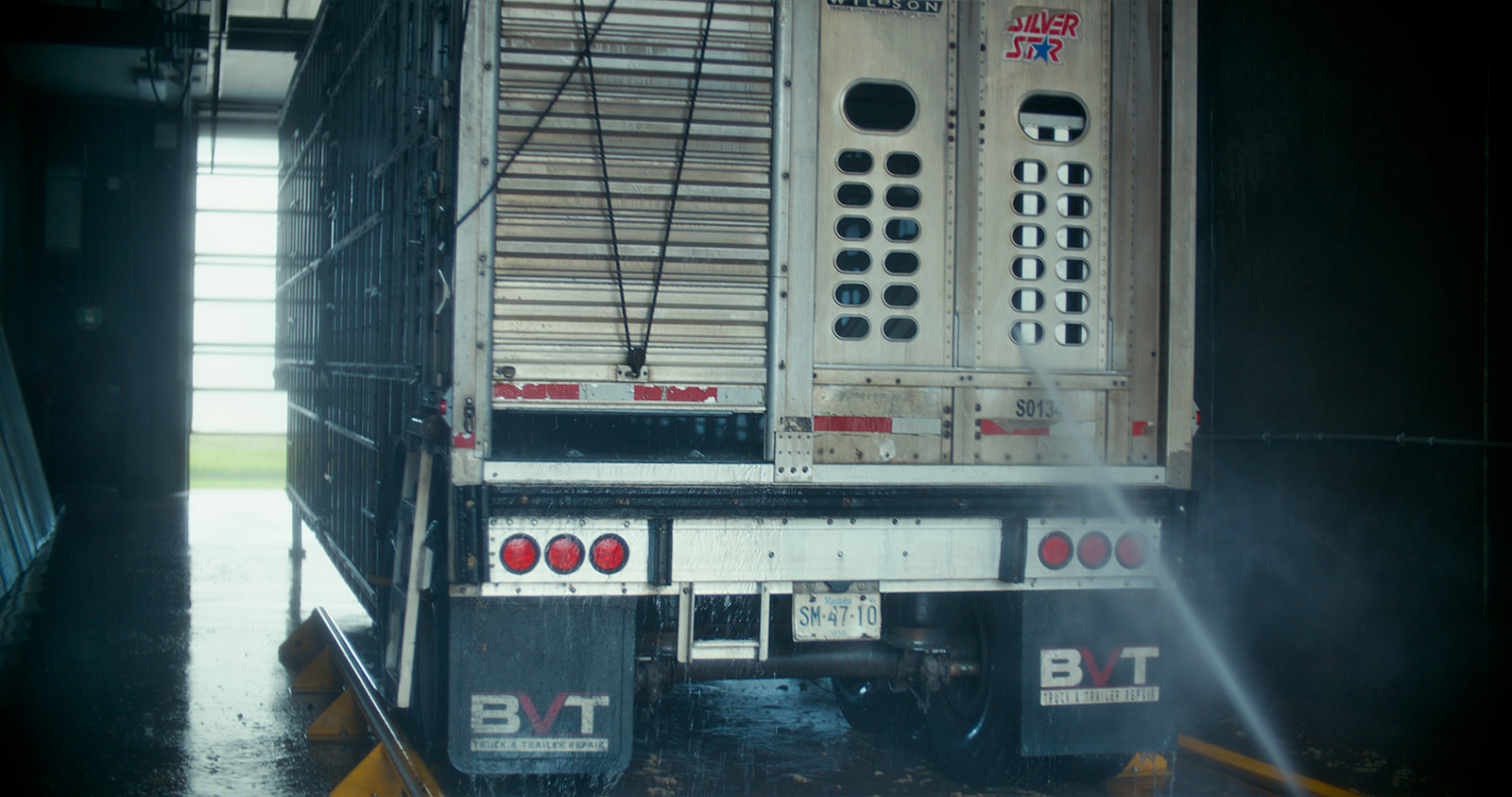
Undercarriage Wash System
Ready to Set a New Standard
In Biosecurity?
Whether you’re operating an existing wash facility or planning a new build, AgTech can help you improve performance, consistency, and efficiency.
Let’s Talk
Biosecurity
Whether you’re upgrading an existing facility or starting from scratch, our team will work with you to design the right solution.